FESTIVE
GREETING CARD
OCCASIONAL
GREETING CARD
EVERYDAY
GREETING CARD
QUILLING ACCESSORIES
QUILLING DECORATION
BEST SELLER
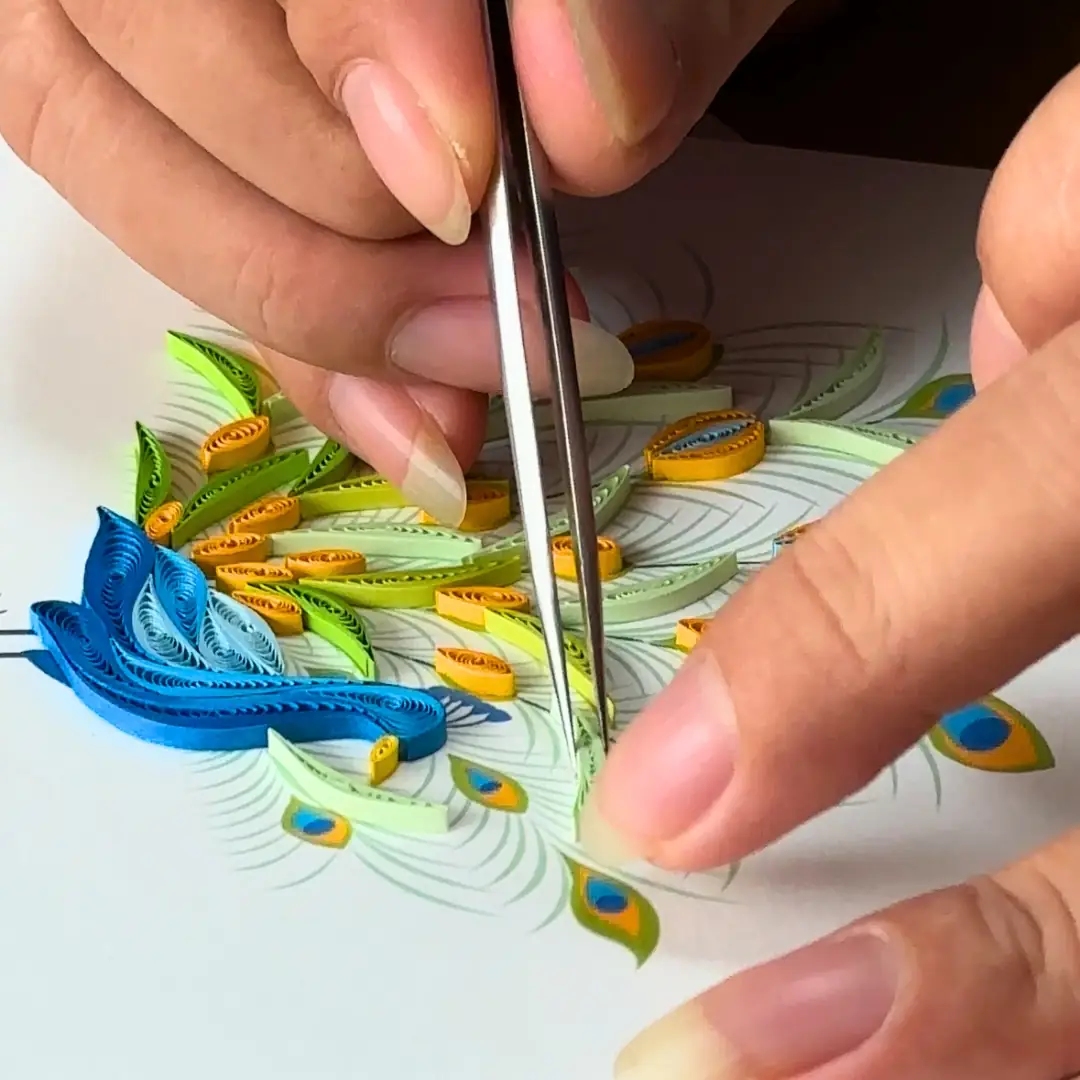



Welcome to our Quilling Art website! Whether you’re new to this craft or a seasoned quiller, this topic will dive into everything you need to know about Quilling Art. We’ll start by answering the fundamental question: What is quilling, why it is called “quill”, and what make it so attractive? Later on, we will journey through the rich history of quilling, uncovering its origins and how it has evolved over the centuries.
We hope you have a good time browsing our website, journey of history of quilling, and a beautiful day ahead.
If you are looking to explore a unique and versatile craft, you might be asking yourself: “What is quilling?”
Quilling—also known as paper rolling, paper scrolling, filigree, or paper mosaic—is a handcrafted art form that involves using thin strips of paper. These strips are rolled, shaped, and glued together to create intricate, three-dimensional designs. While the basic technique is simple to learn, the creative possibilities for this paper art are virtually boundless.

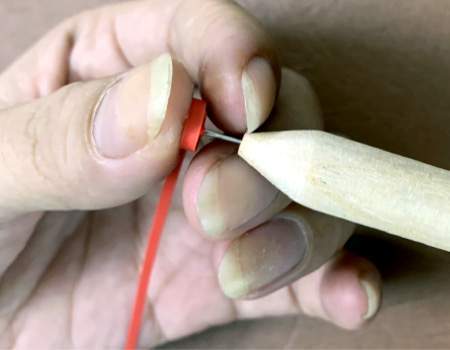
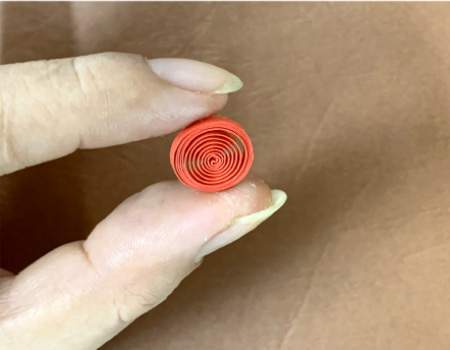
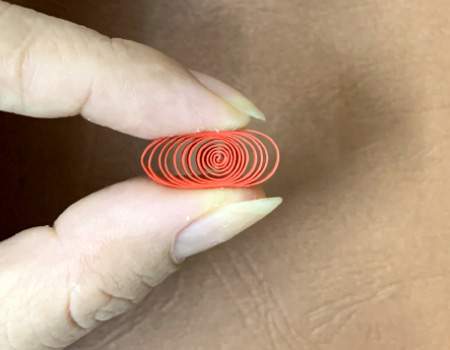
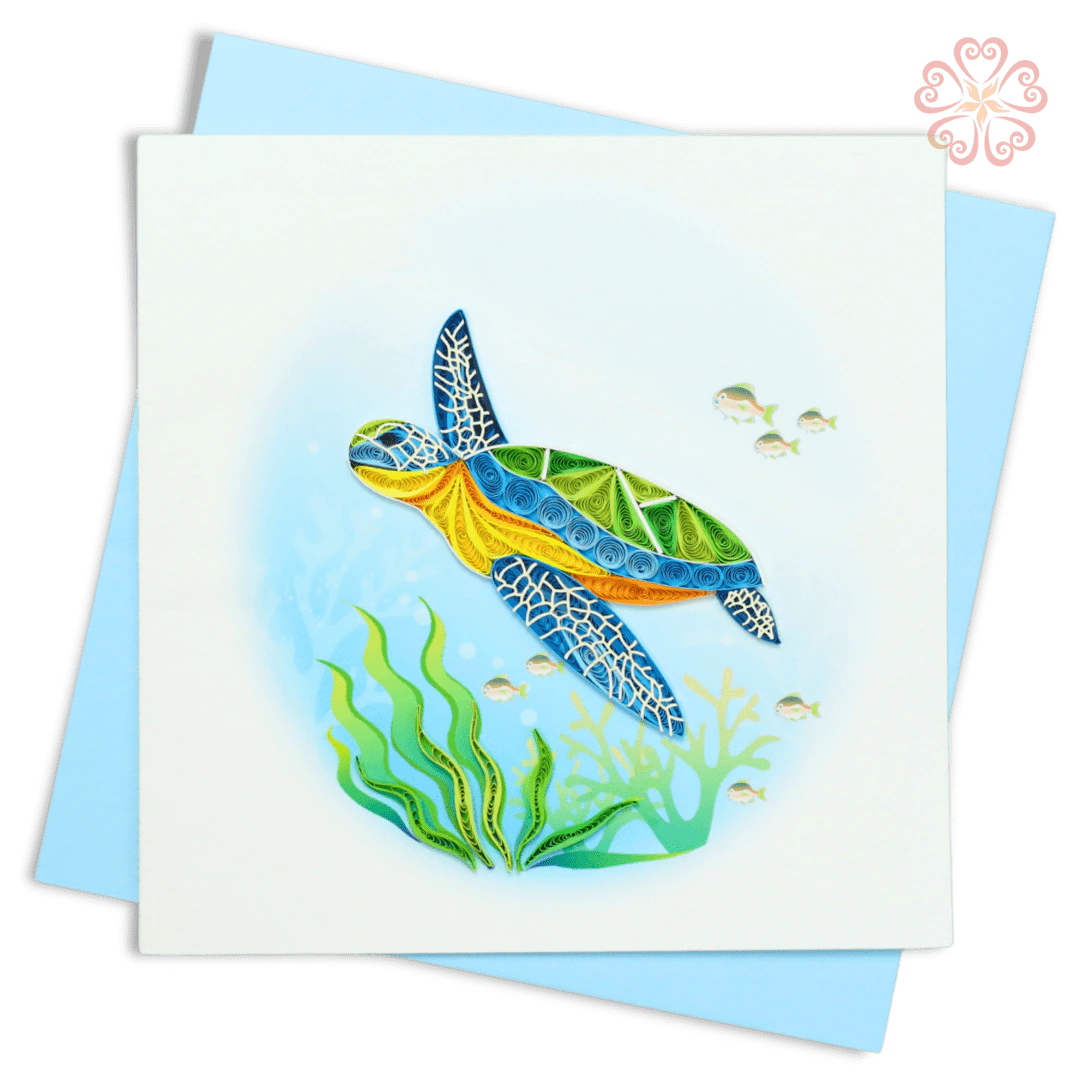


Beyond its visual appeal, quilling is an incredibly accessible hobby. It requires minimal investment in tools, acts as a form of “paper meditation” to reduce stress, and is environmentally friendly as it often utilizes recycled materials.
Although the definition of quilling is simple, the creative possibilities are boundless. Because the technique is so adaptable, you can scale your projects based on your skill level and time. This versatile art can be used for various projects, including:
Custom Stationery: Small, adorable greeting cards and personalized gift tags.
Home Decor: Stunning wall hangings, intricate clocks, and framed monograms.
Wearable Art: Lightweight, water-resistant paper jewelry like earrings and pendants.
3D Sculptures: Miniature figures and architectural models.
If you are looking for a new creative outlet, you’ll find that the community of “quillers” is growing fast. People are drawn to the art of quilling for many reasons, ranging from its mental health benefits to its low barrier to entry.
At its core, quilling is a craft woven with centuries of heritage. Dating back to the Renaissance, resourceful nuns and monks used the gilded edges of old religious texts to create intricate decorations, mimicking expensive gold filigree. Passing this art form down through generations has preserved its classic charm. Today, when you roll a simple strip of paper, you aren’t just practicing a hobby—you are connecting with a timeless tradition of patience and beauty that has captivated makers for hundreds years of history of quilling.
First and foremost, it’s a versatile and accessible craft. You don’t need a room full of expensive machinery; a few basic tools and paper strips are all it takes, making it easy for beginners to start today.
In a fast-paced world, quilling offers a digital detox. Rolling, shaping, and gluing paper strips is not only relaxing but also meditative. Many enthusiasts describe it as a calming and mindful experience that reduces stress. No matter your age or background, if you enjoy handcrafted hobbies, you can find joy in quilling art.
Quilling unlocks limitless creative possibilities. Whether you prefer:
_ Minimalist Designs: Simple, elegant shapes for modern decor.
_ Complex Masterpieces: Intricate patterns with a wide variety of colors and textures.
The tactile nature of the craft—feeling the paper and watching each carefully placed coil build into a final design—is immensely rewarding.
Lastly, through out the hisoty of quilling, the technique is a social art form. While many appreciate the quiet concentration of working alone, others thrive in quilling groups and online communities. Sharing techniques, ideas, and finished projects adds a layer of connection that makes the hobby even more fulfilling.
Many beginners wonder where this unique name originated. The name “quilling” comes from the word “quill” referring to the hollow, pointed end of a bird’s feather, usually from a goose.
In the early days of the history of quilling, artisans used these natural quills as their primary tool to roll and shape strips of paper. The fine, sharp tip of the feather made it easy to create the intricate and delicate designs we still admire today.
This technique gained significant popularity during the Renaissance. European nuns and monks began using paper to mimic expensive materials like gold and silver filigree. By rolling and shaping paper with a quill, they could decorate book covers and religious icons with a look that replicated costly metalwork. This was:
_ Cost-Effective: A more affordable alternative to precious metals.
_ Highly Creative: Allowed for greater versatility in design patterns.
Over time, specialized metal tools and slotted needles replaced goose feathers, but the name “quilling” remains. Today, while the tools have modernized, the essence of the craft is unchanged. The term continues to honor its historical roots, reminding us of the simple feather that started this beautiful art form.

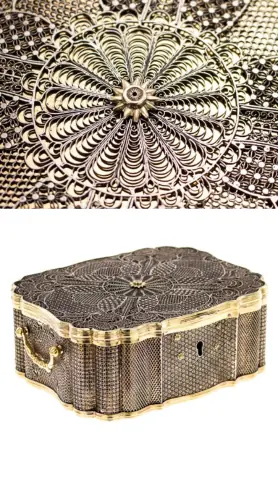
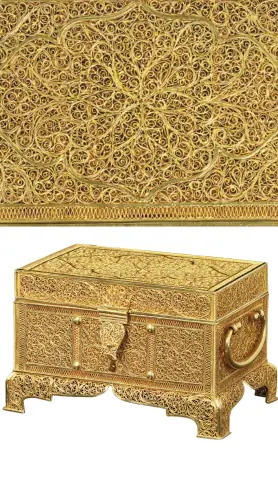
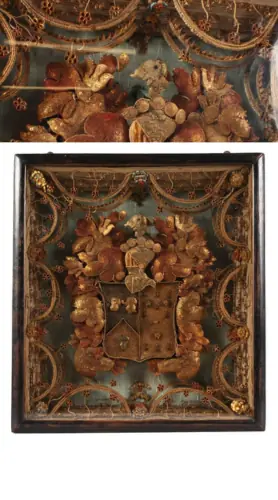
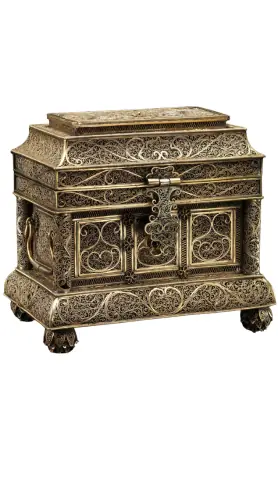
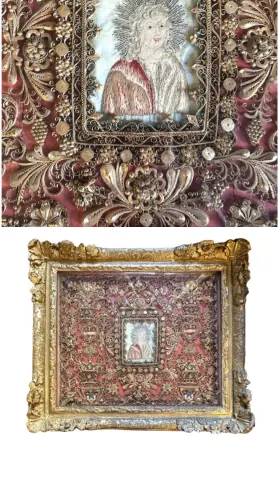
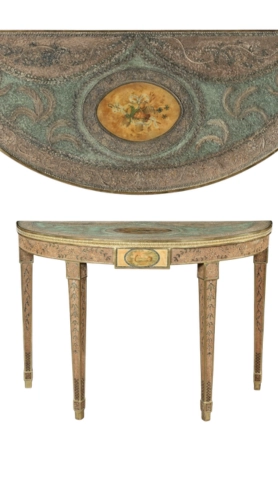
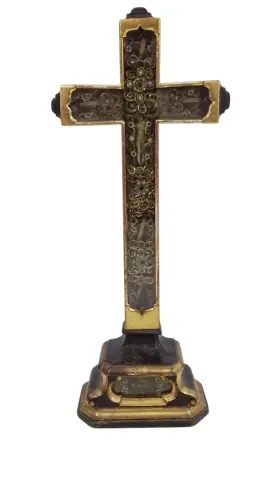
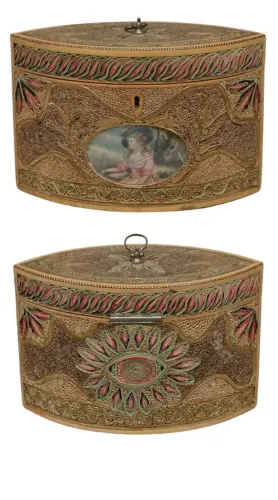
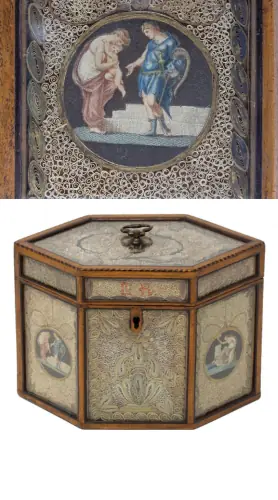
The exact origins of quilling are a subject of much debate, as detailed documentation from its earliest days is scarce. However, two primary theories dominate the history of this intricate art form:
_ The Chinese Influence: Many historians believe quilling began following the invention of paper in China during the Eastern Han period (25-220 CE). As paper-making techniques spread, so did the evolution of decorative paper crafts.
_ The Ancient Egyptian Theory: Another fascinating theory suggests quilling may have roots in Ancient Egypt, where artisans used thin strips of precious metals to create decorative designs—a technique that likely influenced later paper-based methods.
Around 300-400 AD, the precursors to modern quilling involved silver and gold threads combined with gemstones to adorn pillars and vases. As these precious metals became increasingly expensive, colorful paper emerged as a practical, beautiful alternative.
Quilling gained significant prominence during the Renaissance. French and Italian nuns began using strips of paper torn from old Bibles to decorate reliquaries and holy pictures. By adding gilding to the edges of the paper, they created a look that mimicked expensive metal filigree, turning simple paper into cherished religious artifacts.
By the 1700s, quilling became a hallmark of the Stuart and Georgian periods. It was considered a refined pastime for upper-class women and was even taught in schools. These “ladies of leisure” used quilling to embellish:
_ Tea caddies and wine vases
_ Cabinets and card tables
_ Toolboxes and fine furniture
While the art form saw a decline toward the end of the Regency period, it was eventually brought to North America by immigrants.
Today, history of quilling has moved beyond the elite circles of Europe and the quiet halls of convents. It has experienced a massive global revival, evolving from its luxurious origins into a modern, vibrant craft enjoyed by artists and hobbyists worldwide.
At Quilling Arts Viet Net, we transform the ancient Renaissance art of paper filigree into a modern medium for expression, branding, and decor. With nearly two decades of expertise and a library of over 5,000 unique designs AND 30 different product lines, our applications bridge the gap between long history of quilling, delicate craftsmanship and commercial excellence. Following are some of Quilling art Viet Net rankings
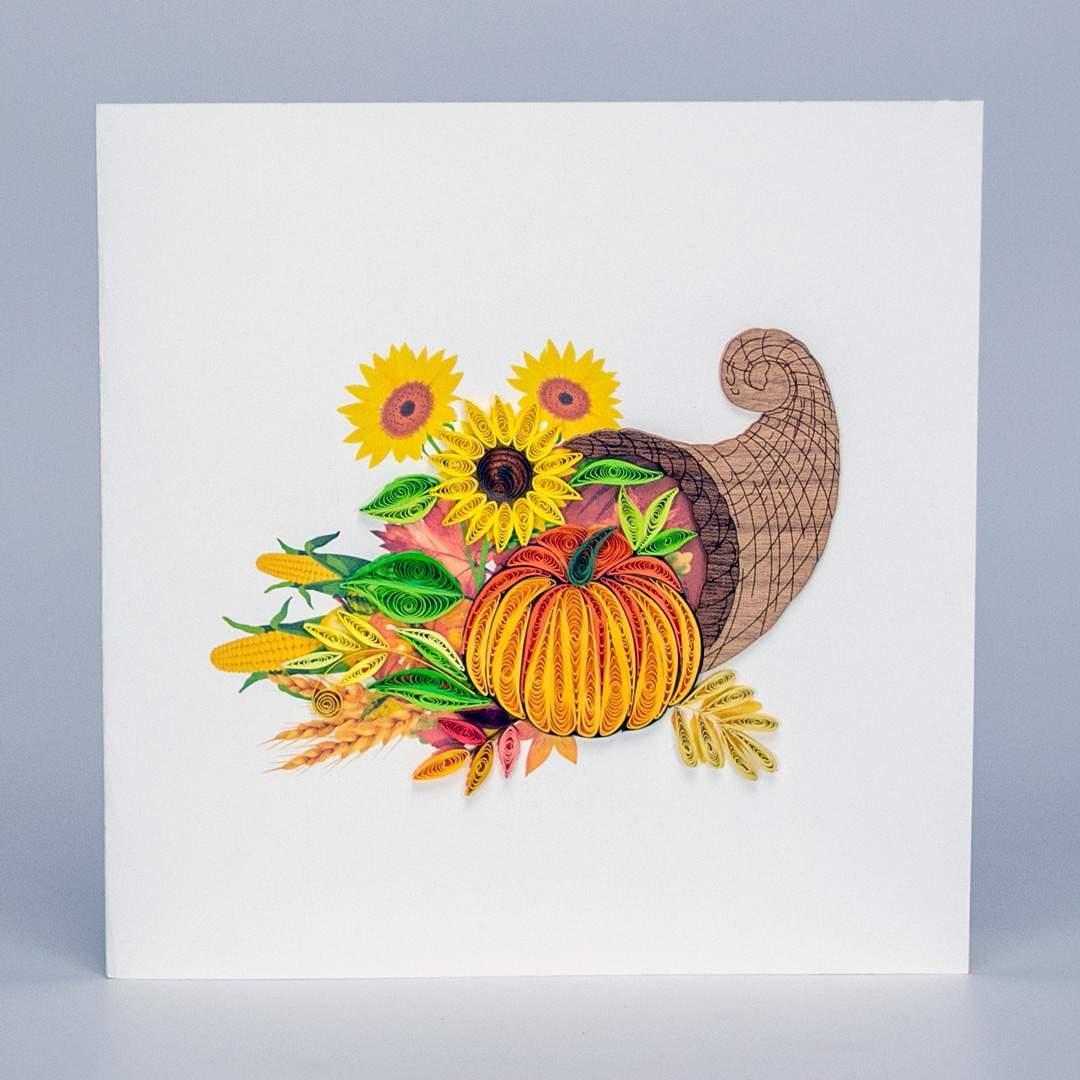
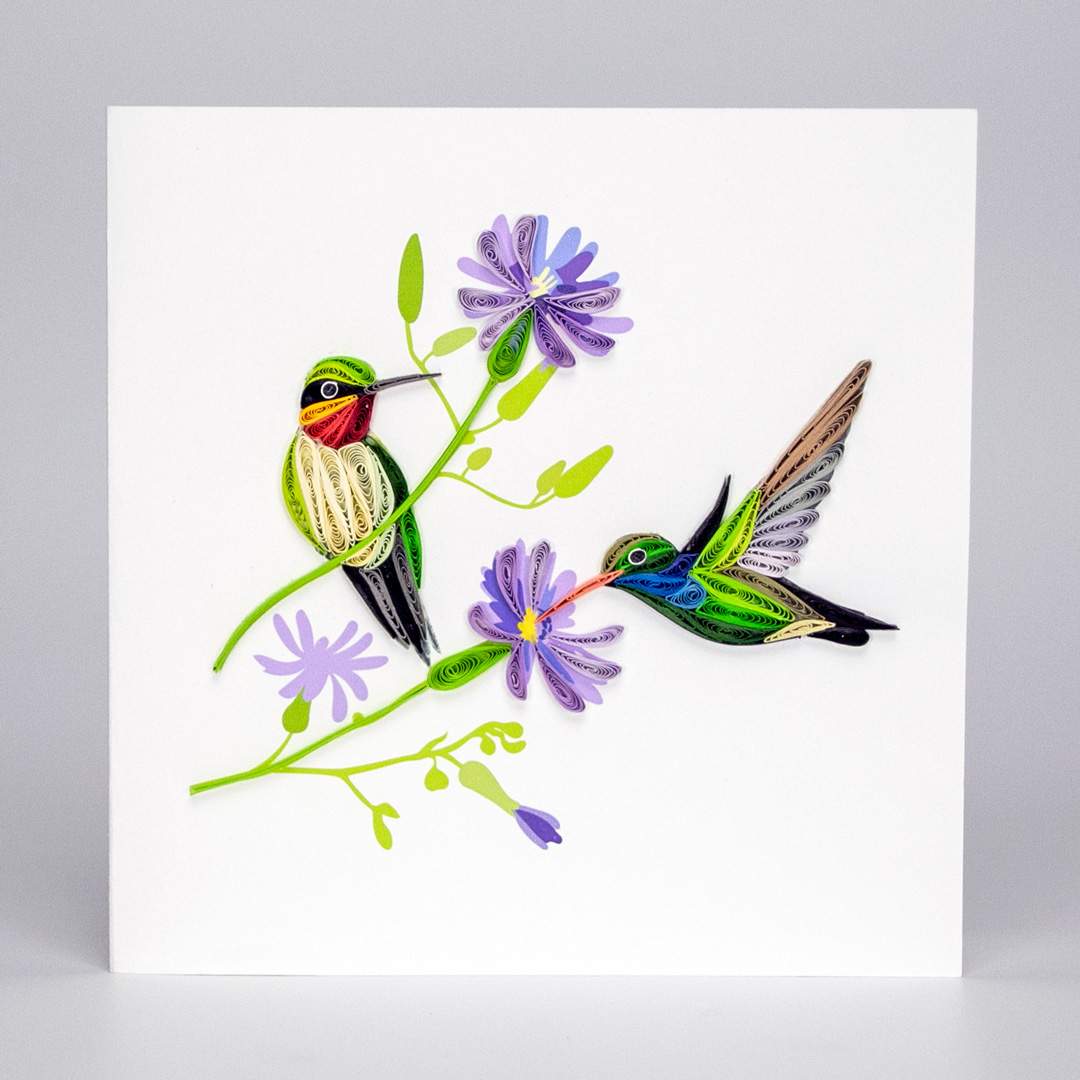
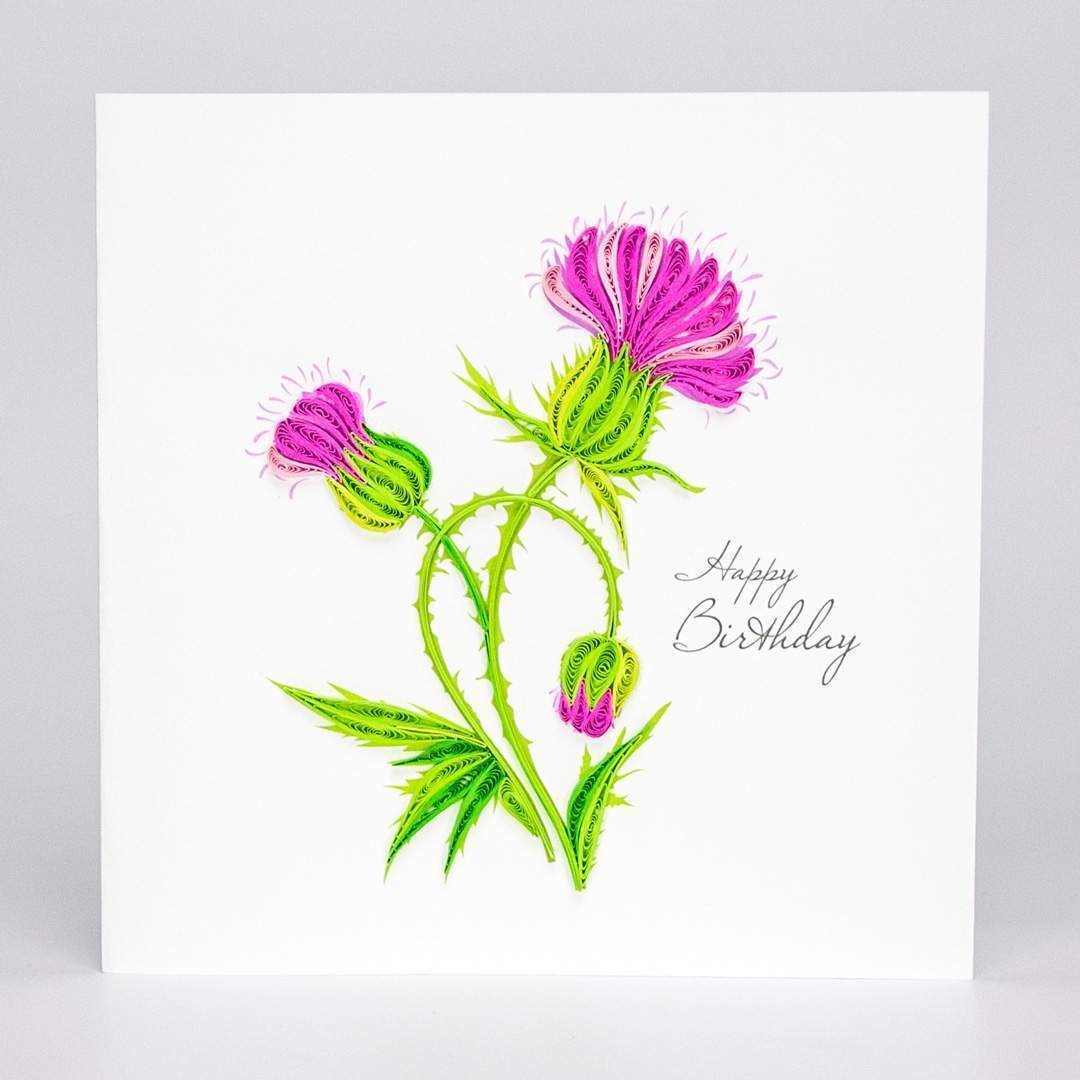
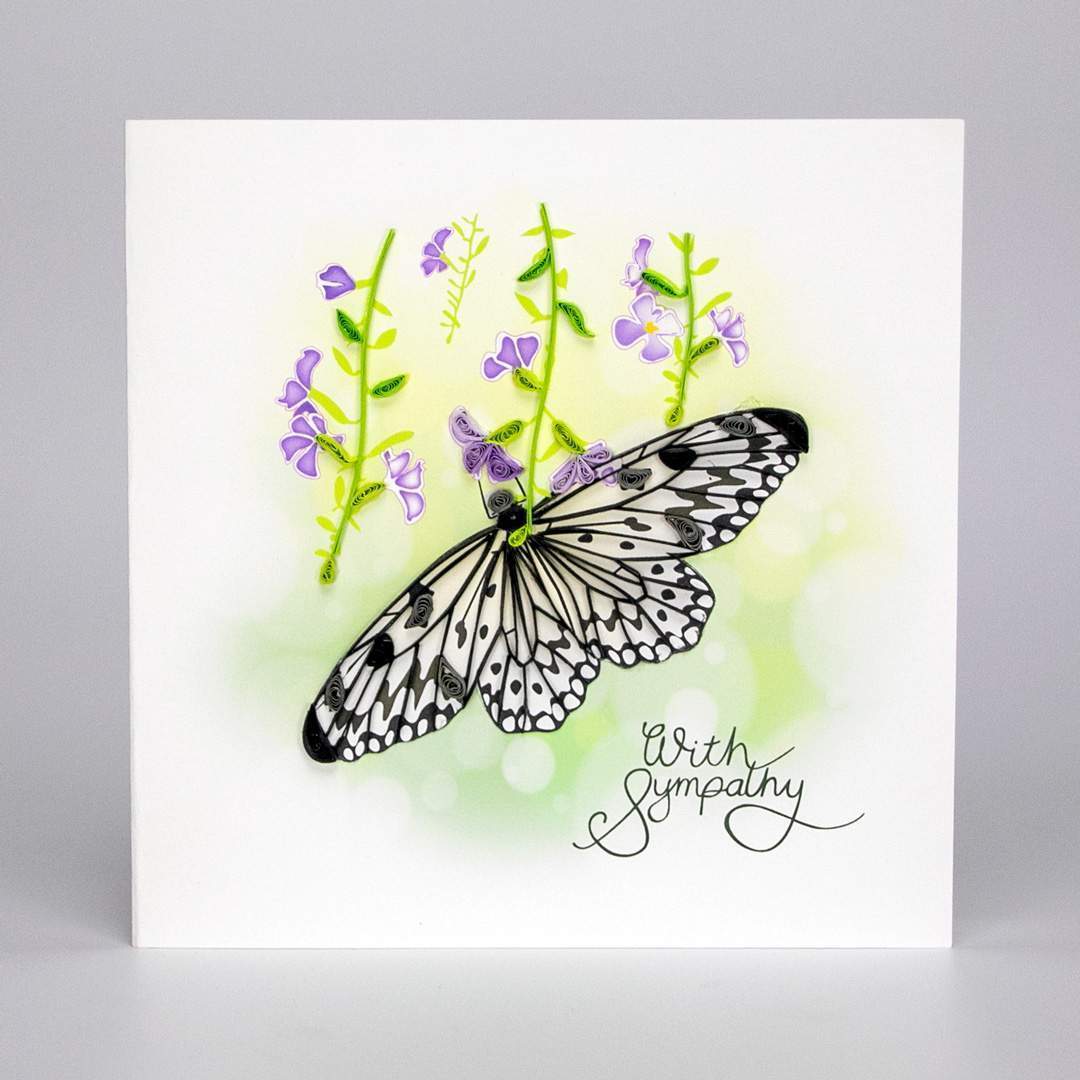
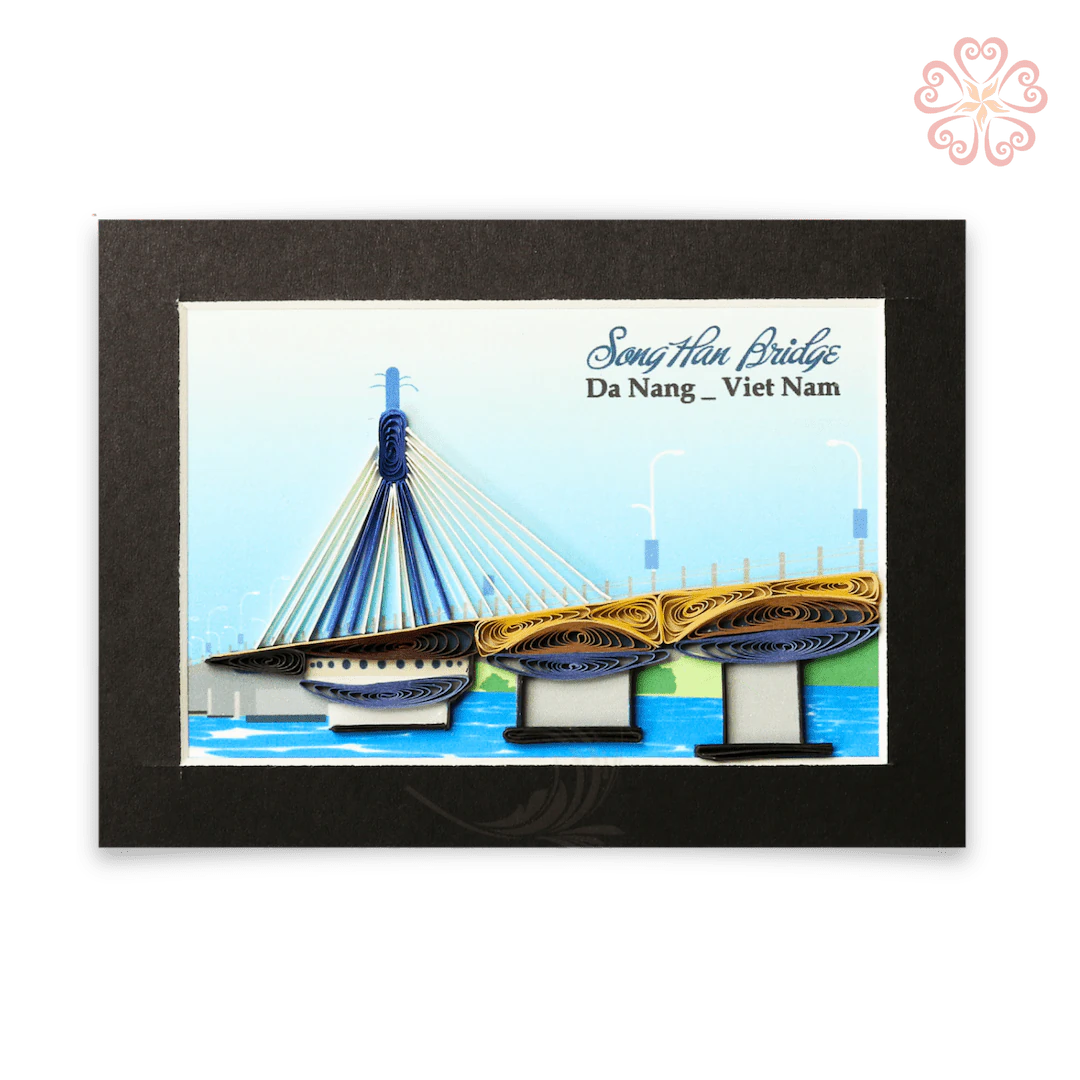
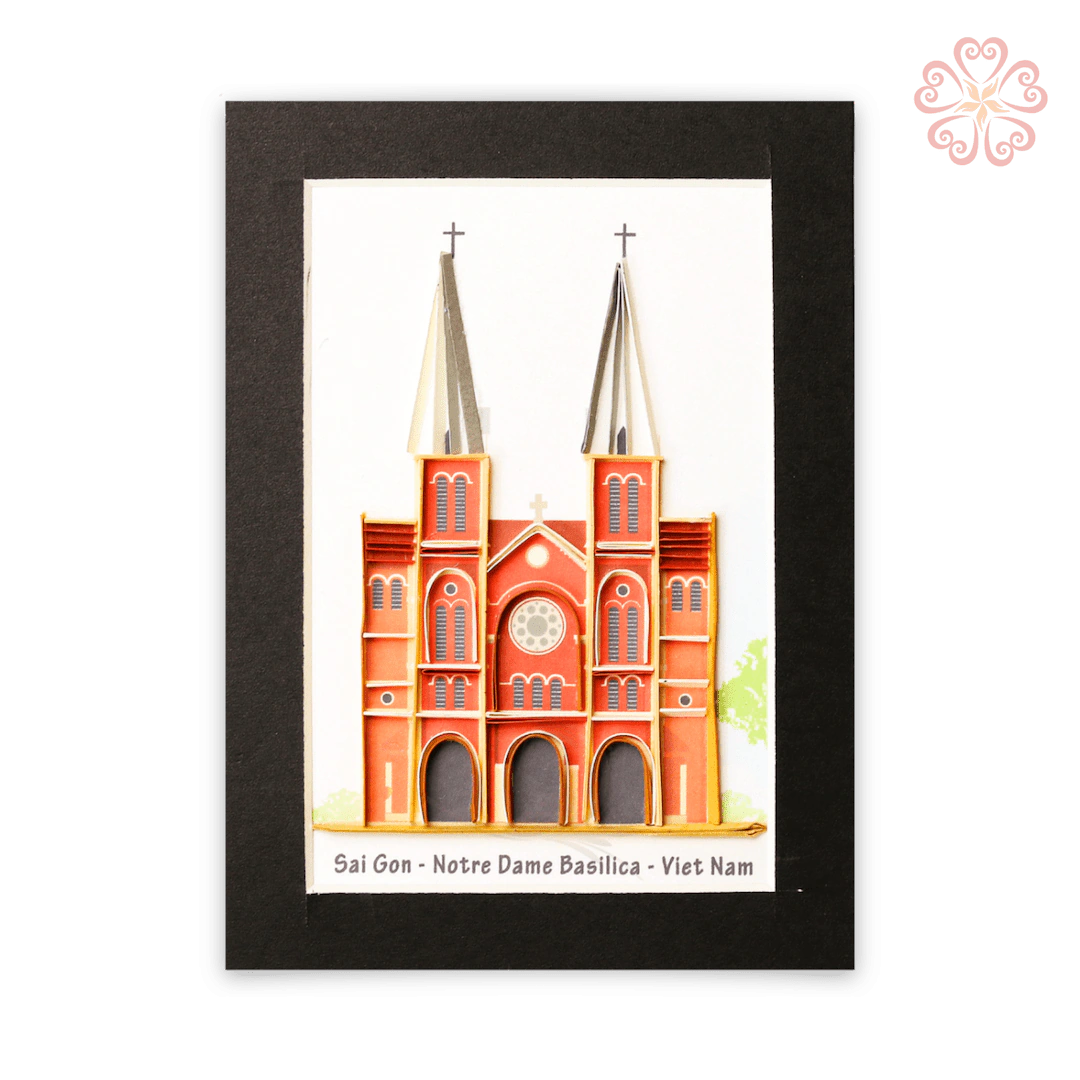
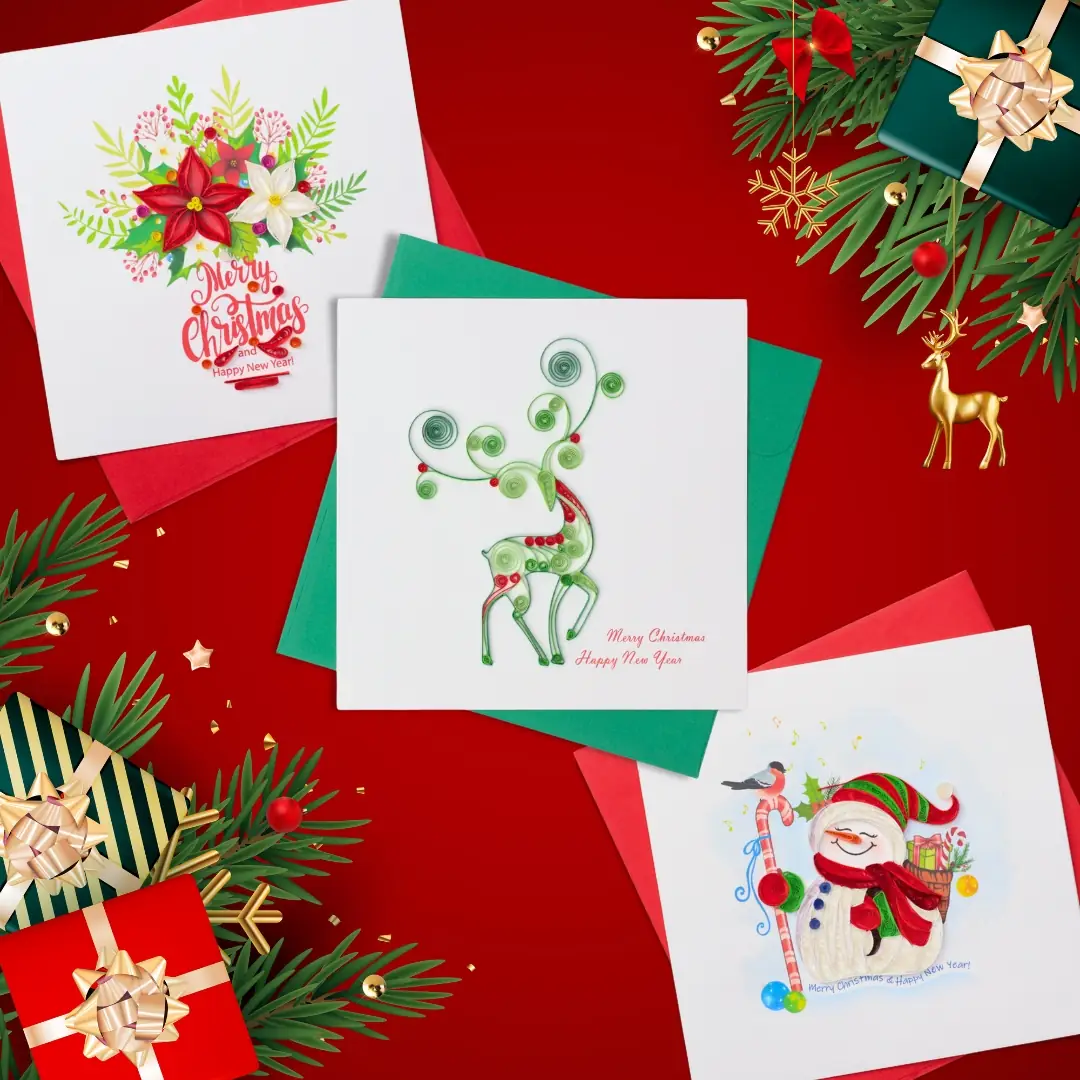
A greeting card is more than just a message; it is a vessel for your most cherished memories. While traditional cards are often tucked away or discarded, a handmade quilling card from Viet Net is a work of art designed to last a lifetime. Popular size includes:
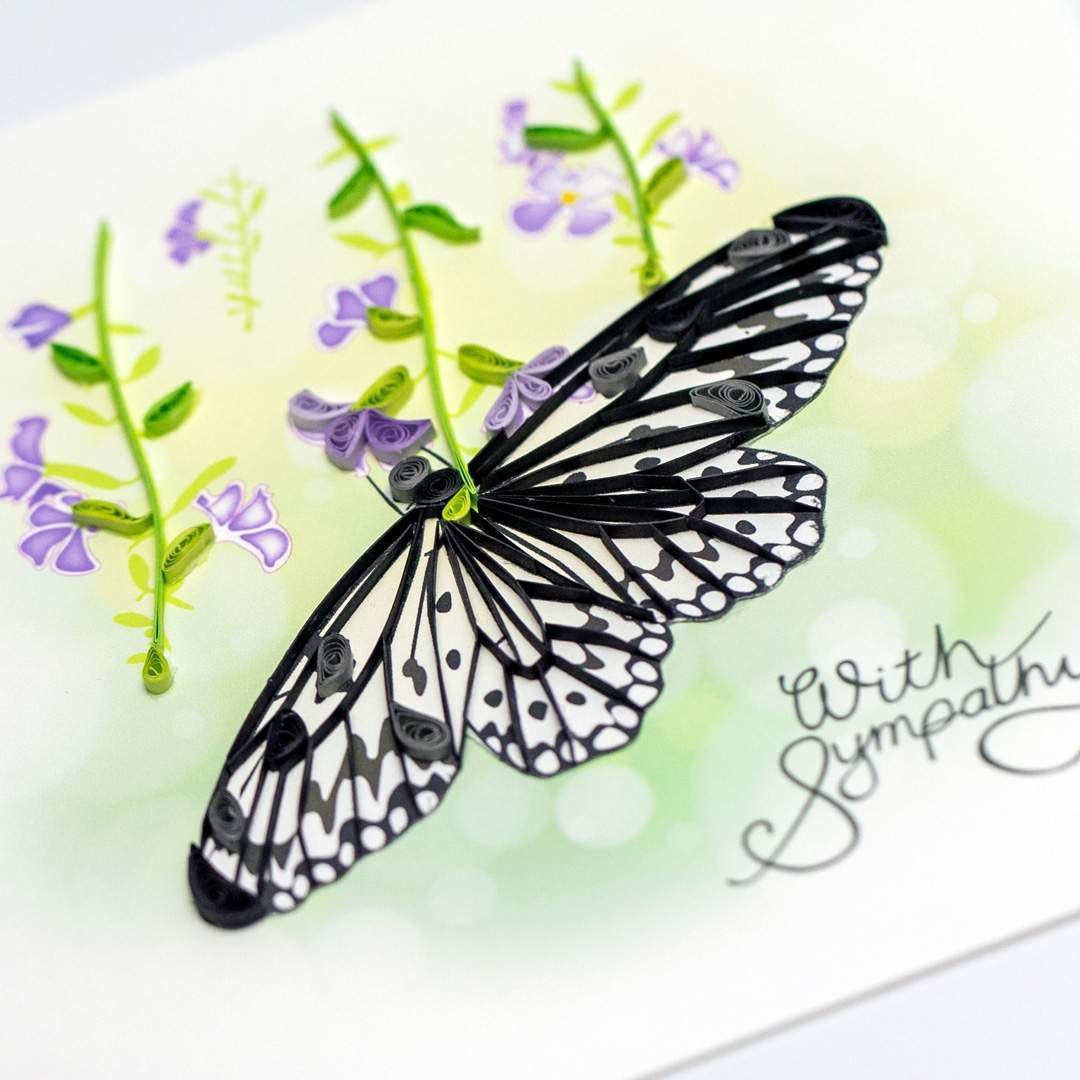
Our paper quilling cards are globally recognized for their intricate 3D designs and the profound value of authentic hand-work. Each scroll and coil is meticulously placed by master artisans, creating a tactile experience that digital prints simply cannot replicate.
The beauty of a quilling card lies in its versatility. Once the occasion has passed, these cards transition perfectly into framed wall decor. By framing a Viet Net card, you transform a thoughtful gesture into a beautiful, decorative picture that preserves your valuable memories forever.
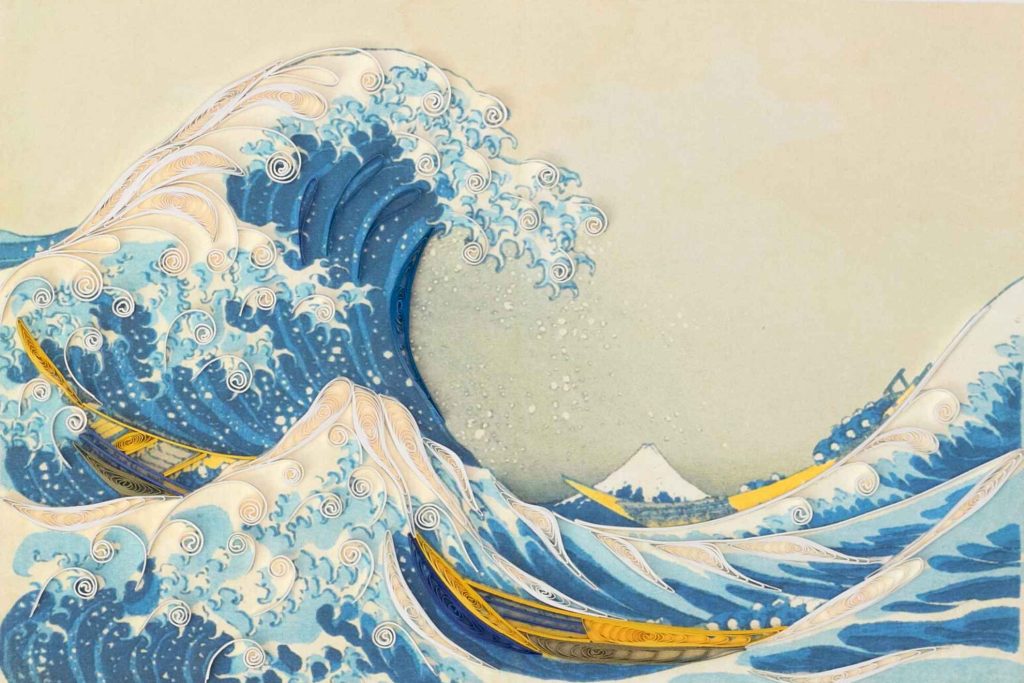
Handmade paper filigree has become a top choice for high-end home decoration. Its unique texture and the visible precision of the artist’s hand bring a sense of warmth and “great value” to any modern or traditional interior. Whether it is a vibrant landscape or a geometric mandala, a Viet Net wall-hanging serves as a captivating conversation piece for any homeowner.
Unlike mass-produced prints, our large-scale quilling projects are defined by the “Slow-Art” movement. Every piece is a labor of love:
_ Artisanal Dedication: Depending on the complexity, a single project can take anywhere from one full day to several weeks of continuous hand-work.
_ Intricate Depth: Our artists use advanced “on-edge” and multi-layered techniques to create a 3D depth that shifts and changes as light moves across the room.
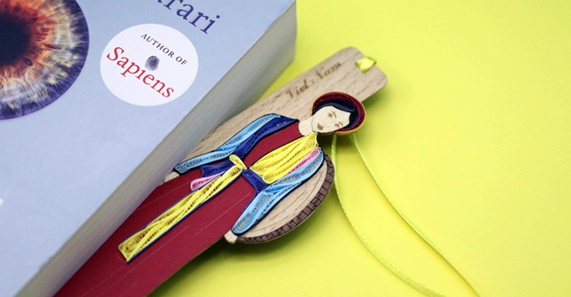
A great book deserves more than a scrap of paper to hold its place. At Viet Net, we believe that the journey through a story should be as beautiful as the story itself. Our hand-crafted quilling bookmarks are designed for readers who value the tactile, “slow-reading” experience. In the age of digital screens, a physical book is a sanctuary. Our quilled bookmarks serve as the perfect companion:
_ The Beauty of the Scroll: Each bookmark features intricate paper coils—from delicate birds to vibrant florals—making every page-turn a visual delight.
_ Lightweight yet Durable: While quilling looks delicate, our bookmarks are engineered to be thin enough for paperbacks but strong enough to last through hundreds of readings.
_ The Perfect Gift for Readers: Whether for a teacher, a dedicated student, or a member of a “Romantasy” book club, a quilled bookmark is a thoughtful, high-value gift that fits perfectly inside a card.
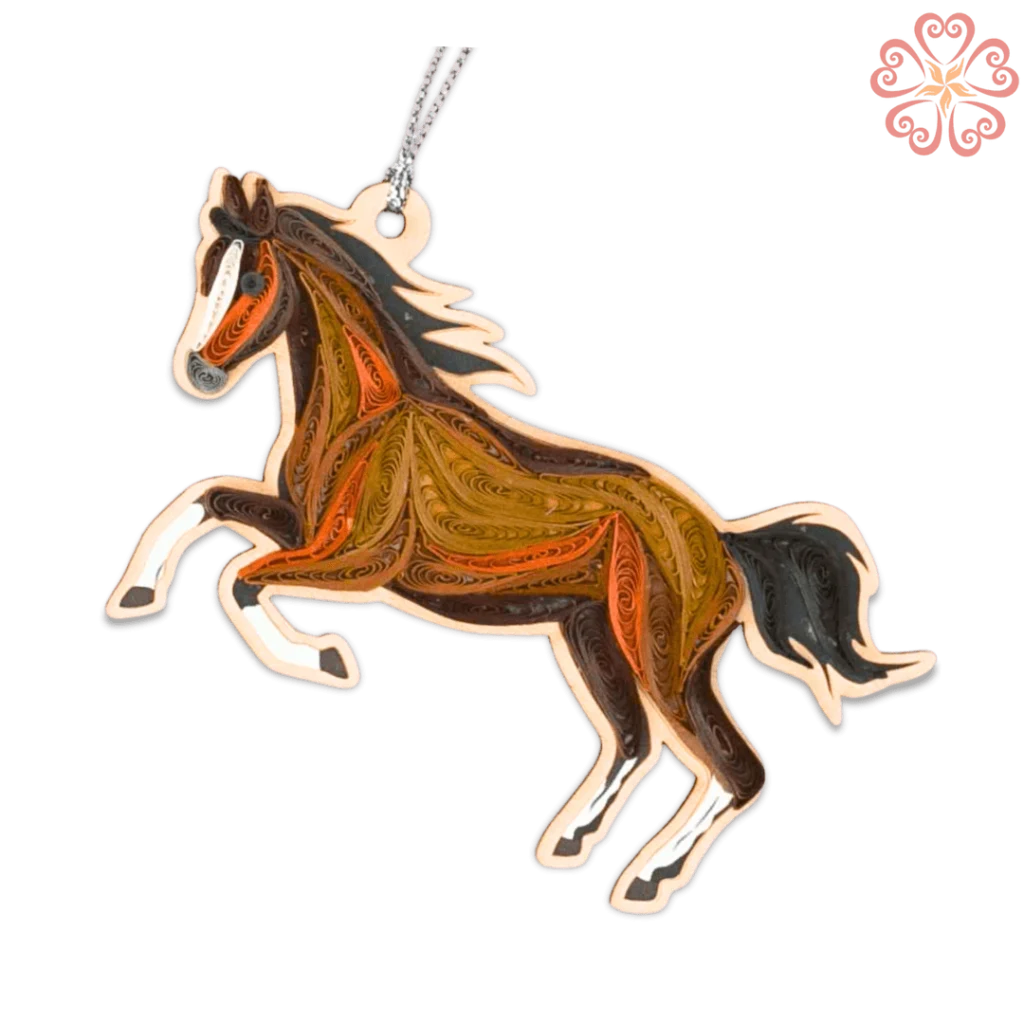
Elevate your seasonal celebrations with the intricate beauty of Viet Net Quilled Ornaments. In a world of disposable decorations, our paper-filigree ornaments stand out as collectible heirlooms that bring warmth, texture, and a touch of “Quiet Luxury” to your home. While they are perfect for holiday trees, the “great value” of a Viet Net ornament lies in its versatility:
_ Hostess Gifts: Tie a quilled rose or star ornament around a wine bottle for a sophisticated, handmade touch.
_ Table Accents: Use them as part of a luxurious “tablescaping” design for weddings or dinner parties.
_ Year-Round Decor: Many of our geometric and mandala designs serve as beautiful window sun-catchers or office accents throughout the year.
Why settle for standard magnets when you can decorate with miniature paper sculptures? At Viet Net, our quilling magnets are designed to bring a touch of “Neo-Minimalism” to your home. By blending soft, neutral paper tones with intricate 3D shapes, we transform the humble refrigerator into a high-end display of artisan skill. Quilling magnets are the top choice for meaningful, affordable gifting. They are perfect as:
_ Wedding Favors: Custom quilled hearts or flowers to match your theme.
_ Locker Decor: Adding a pop of color to a student’s space.
_ Souvenirs: A lightweight, easy-to-carry memory of Vietnamese artistry.
Exploring the rich history of quilling reveals how a simple paper art can withstand the test of time and remain deeply vibrant today. It’s more than just a craft; it is a bridge to past artistic traditions that invites us to slow down and create something tangible. Now that you know the fascinating roots of this hundred-year-old art form, it’s your turn to shape its future—grab a quilling tool, some paper strips, and start rolling your own masterpiece!
References & Image Credits
To preserve history of quilling integrity and honor the institutions dedicated to safeguarding these rare crafts, every piece featured in this article has been verified against authoritative global collections:
Chinese Export Silver-Gilt Filigree Casket (c. 1750): Provenance records and architectural photography courtesy of Joseph Cohen Antiques. Historical parallels are preserved at The State Hermitage Museum, St. Petersburg.
Imperial Chinese Export Gilt-Silver Footed Box: Design styles and wirework analysis sourced via the Asian Export Art archives at The State Hermitage Museum.
George III Rolled Paper Demi-Lune Table (c. 1780): Eighteenth-century English furniture records and quilled panel preservation data curated by the Victoria and Albert Museum (V&A), London.
Armorial Paper Filigree Shadowbox Display (c. 1699): 17th-century English heraldic paperwork documentation referenced from the decorative arts collection at The Fitzwilliam Museum, University of Cambridge.
Late Georgian Double-Sided Rolled Paper Tea Caddy: Historical “Lover’s Eye” miniature and rolled paper design studies sourced via the Victoria and Albert Museum (V&A).
Architectural Silver Filigree Presentation Case (c. 1700): Micro-wire metalwork metrics and continental panel layouts sourced from the historic metalwork collections at The British Museum, London.
Ecclesiastical Quilling Altar Reliquary Cross: Sacred paper craft history and paperole structural studies compiled from the Museum of International Folk Art.
Monastic Devotional Shadowbox Frame (Klosterarbeit): Central European convent paper craft and sacred relic frame histories sourced via the European Devotional Arts Collections at the Vatican Archives.
Neoclassical Octagonal Rolled Paper Tea Caddy with Monogram: Paper filigree monogram styling and classical medallion print references curated via the Victoria and Albert Museum (V&A).